Can I Use NDIS Funding for Occupational Therapy?
If you're asking can I use NDIS funding for occupational therapy, you're probably trying to work out two things at once: whether an OT is the right professional, and whether your plan can pay for the appointment. The answer is often yes, but it depends on your goals, the type of support and the funding in your plan. It isn't a blanket approval for every service called “OT”.
Can I use NDIS funding for occupational therapy?
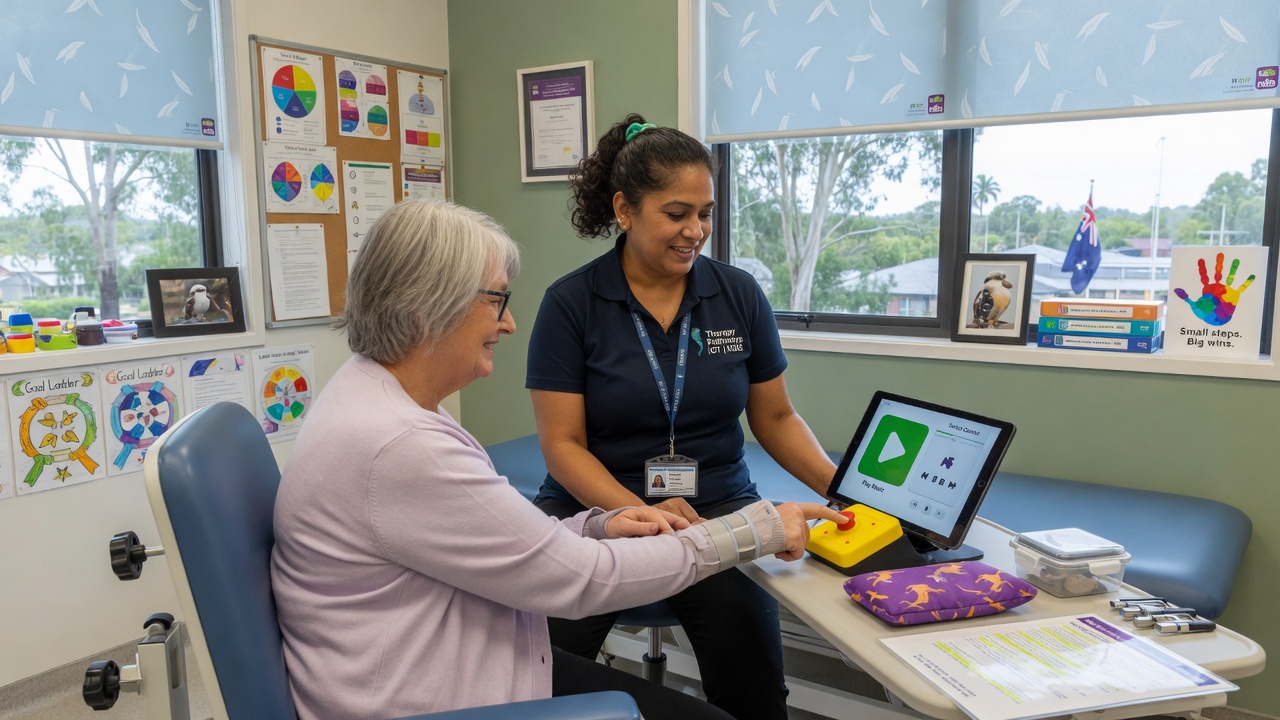
Occupational therapy can be funded when it is related to your disability and helps you pursue the goals in your NDIS plan. An OT might help with daily living skills, sensory regulation, communication access, safe movement, assistive technology or making your home and routines work better for you.
The NDIS looks at whether the support is reasonable and necessary. That phrase can feel vague—honestly, the NDIS website doesn't always make it wonderfully easy to apply to a real appointment. A useful starting point is to connect the therapy to a specific functional outcome, rather than describing it only as “treatment”.
What can an occupational therapist help with?
OT work can look very different from person to person. Depending on your situation, an OT may:
- assess how you manage personal care, cooking, study, work or community activities;
- recommend equipment or assistive technology and explain why it suits your needs;
- help you practise routines or strategies that make everyday tasks safer and more manageable;
- provide advice about home access, transfers, seating or environmental changes; or
- write functional evidence for a plan review, assistive technology request or home modification.
That doesn't mean every recommendation will automatically be funded. The scope, cost and connection to your disability still matter. Our guide to NDIS therapy funding explains how the wider therapy picture fits together.
💡 Key point: Before booking, describe the everyday problem you want help with and the goal it supports. A clear functional link is more useful than simply saying you want an assessment.
Which part of my NDIS plan pays for OT?
Occupational therapy is commonly funded from Capacity Building—Improved Daily Living, but your plan and the support's purpose decide what is appropriate. Check the wording and budget in your plan before committing to a series of appointments. If your plan is plan-managed, a plan manager can help check whether an invoice appears claimable, but they can't approve a support that isn't covered or replace the NDIA's decision.
Some participants have flexible funding within a category; others have more specific budgets or agency-managed arrangements. If you're unsure, ask your support coordinator, planner or the OT to explain the proposed service and its likely line item in plain English.
What evidence might you need?
For ordinary appointments, you may not need a formal report before you start. You do need enough information to show why the service relates to your disability and goals. An OT may ask about:
- what tasks are difficult or unsafe at the moment;
- what you'd like to do more independently or with less support;
- what you've tried already and what happened; and
- how the proposed sessions will measure progress.
For higher-cost equipment or modifications, the evidence requirements can be much heavier. You may need assessments, quotes, trials and a recommendation that compares suitable options. Don't purchase expensive equipment first and hope it can be claimed later. Our article on NDIS assistive technology covers that process in more detail.
How to choose an OT and avoid surprises
Ask whether the OT has experience with your goals and what the first appointment includes. Confirm the fee, cancellation terms, report costs and whether travel is charged. If you use an unregistered provider, check that your plan management arrangement allows it and that the invoice contains the information needed for a claim.
It can also help to ask how progress will be reviewed. You should be able to understand what the sessions are working towards, even if the clinical language gets technical. You're the person whose life is meant to improve, so your priorities belong in the plan.
What if my claim is questioned?
Don't panic if a plan manager asks for more information. A request for clarification isn't necessarily a rejection. Ask what detail is missing, then speak with the OT or coordinator. Keep reports, quotes and invoices together so you can show the link between the support, your goals and your plan.
For a quick overview of other allied health options, you can also read our NDIS allied health guide. The main thing is to check before booking, keep the focus on functional outcomes and leave room for your needs to change as you learn what works.