NDIS Home Modifications: The Step-by-Step Process
In this article
What home modifications qualify for NDIS funding?
What counts as a home modification
NDIS home modifications are changes to your home that improve access, safety, and independence — ramps, widened doorways, accessible bathrooms, ceiling hoists, structural changes for wheelchair access. They're funded under your Capital Supports budget when they're directly related to your disability and considered reasonable and necessary. Home modifications are one of the 15 NDIS support categories.
The key test: the modification must help you do something you can't currently do (or can't do safely) because of your disability. It also needs to represent value for money — the NDIA won't fund a full bathroom renovation if a simple grab rail would solve the problem.
What's commonly funded
- Ramps and step-free entrances
- Widening doorways and hallways for wheelchair access
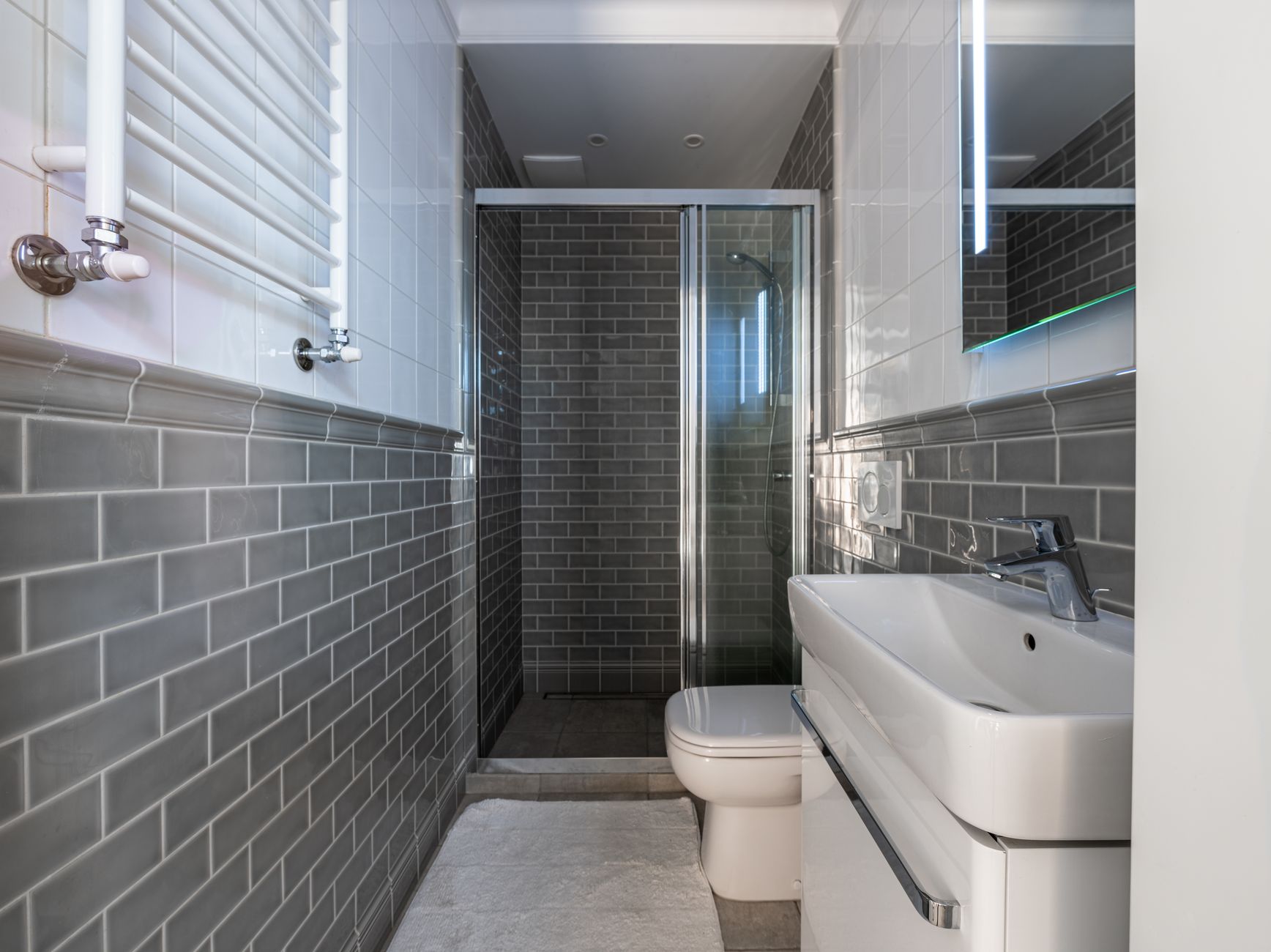
- Accessible bathrooms — level-access showers, grab rails, hand-held shower heads
- Ceiling hoists and tracking systems
- Modified kitchens — lowered benches, accessible storage
- Structural changes for wheelchair circulation space
- Accessible entry systems — automated doors, intercoms
- Specialised flooring to reduce trip hazards
🏠 Important: The NDIS funds the modifications themselves — not the underlying property. You (or the property owner) are responsible for ongoing maintenance, insurance, and any eventual restoration. If you rent, you'll need the landlord's written consent.
The process, step by step
1. Identify the need
This usually starts with you, your family, or a support worker noticing a safety or access problem. Maybe you can't get into the bathroom safely, or stairs are becoming impossible. It often starts as a quiet worry that grows.
2. Get an OT home assessment
An occupational therapist (OT) with home modification experience visits your home and does a comprehensive assessment. They watch how you move through your space, identify barriers, and figure out what modifications would address them. This report is the foundation of your entire application — it needs to be thorough.
3. OT prepares a scope of works
The OT develops a detailed scope of works. This isn't just "install a ramp" — it specifies materials, dimensions, placement, building code compliance, and exactly what needs to happen. The more detailed this is, the smoother everything downstream goes.
4. Obtain building quotes
The OT or a building designer sends the scope of works to licensed builders or modification specialists for quotes. You typically need at least two competitive quotes for NDIA approval. For complex modifications, you may also need architectural drawings or engineering reports.
5. Submit to the NDIA
Your OT, support coordinator, or plan manager submits the whole package — assessment report, scope of works, quotes, drawings, landlord consent (if renting), and any supporting evidence — to the NDIA. This is where most delays happen, so a complete application is everything.
6. NDIA review and approval
The NDIA reviews your submission. For minor modifications this can take a few weeks. For complex modifications ($20,000+), expect months. The NDIA may ask follow-up questions or request more information. If approved, you get formal confirmation and funding is allocated.
7. Construction
Once approved, the builder gets to work. Your plan manager pays the builder directly from your Capital budget, usually in stages — deposit, progress payment, final payment on completion.
8. Final inspection
Your OT should inspect the completed work to confirm it matches the scope of works and actually meets your needs before the final payment is released. Don't skip this step.
Minor vs complex modifications
The NDIS splits home modifications into two broad categories:
- Minor modifications (typically under $20,000) — simple changes like grab rails, handheld shower heads, or small ramps. These need a basic OT assessment and a single quote. The process is relatively quick.
- Complex modifications (typically over $20,000) — larger projects like bathroom renovations, kitchen modifications, or structural changes. These need a comprehensive OT report, detailed scope of works, building drawings, multiple quotes, and potentially building permits. Expect a much longer timeline.
What causes delays and how to avoid them
- Incomplete OT reports — make sure your OT has experience with NDIS home modification applications. A vague report will get bounced back for more detail.
- Missing landlord consent — if you're renting, get written consent early. Without it, the NDIA won't proceed.
- Insufficient quotes — the NDIA needs evidence of value for money. One quote usually isn't enough for anything beyond minor modifications.
- Unrealistic budgets — if quotes come in way above what the NDIS typically funds for that type of modification, expect pushback.
- Plan expiry — home modifications can easily take longer than a 12-month plan. If your plan is ending soon, ask your plan manager about a plan extension.
Home modifications can genuinely change someone's life — but the process is long. The single most important thing you can do is start early, work with an experienced OT, and keep your plan manager in the loop. We can't write the OT report, but we can guide you through the funding side and help keep things moving. If you're also exploring equipment, see our NDIS assistive technology guide.