What Happens to My NDIS Plan When I Move Interstate?
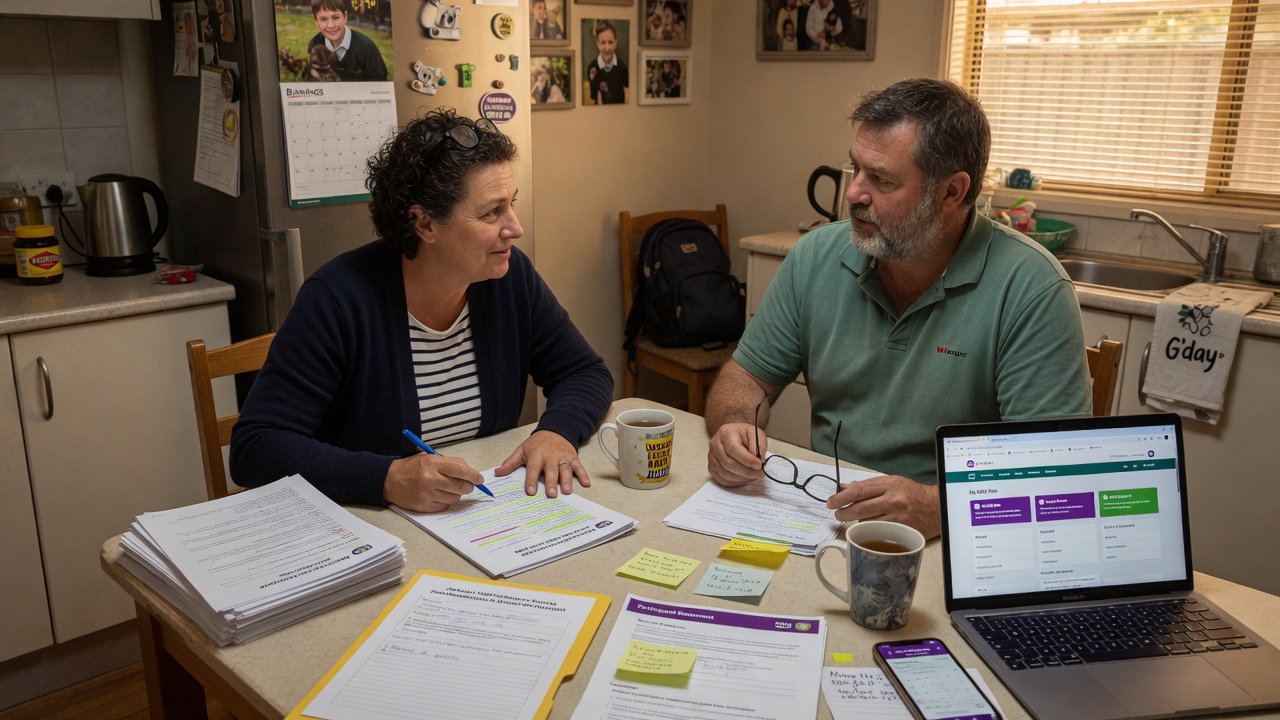
Moving house is stressful enough on its own. Moving interstate with an NDIS plan? That's a whole other level of admin. We get questions about this all the time — and honestly, it's one of those things where the official guidance exists but practically nobody reads it until they're three weeks out from moving day and starting to panic.
So let's walk through it calmly. Here's what actually happens to your NDIS plan when you pack up and move to another state, what you need to do (and when), and the stuff that catches people out.
Does my NDIS plan still work if I move interstate?
Yes — your plan doesn't vanish the moment you cross a state border. The NDIS is a federal scheme, which means your funding follows you wherever you go in Australia. You don't lose your budget, and you don't have to reapply from scratch.
But — and this is the bit people miss — the services and providers available to you can change dramatically depending on where you're moving. A plan that worked perfectly in metro Melbourne might need some rethinking if you're relocating to regional Queensland. The providers you know and trust won't necessarily have a presence in your new town.
If you want a refresher on what your plan actually covers, we've got a guide to understanding your NDIS plan budgets that's worth a quick look before you start planning a move.
Step 1: Tell the NDIA you're moving
You're supposed to let the NDIA know about a change of address as soon as you can. The official channel is calling the NDIS on 1800 800 110 or updating your details through the myplace portal.
Here's what they'll want to know:
- Your new address and the date you're moving
- Whether your support needs are likely to change (e.g. you're moving closer to family who can help with informal supports)
- If you'll need help finding new providers in your new area
A heads-up: don't expect this to happen overnight. The NDIA isn't exactly known for lightning-fast admin, and a change of address can sometimes sit in a queue for a few weeks. Call early — like, as soon as you know you're moving, not the day after you arrive.
Step 2: Check what changes in your new location
This is where things can get a bit uneven. The NDIS price guide is national, but the availability of services varies enormously. In some regional areas, you might struggle to find certain allied health professionals. Waitlists for OTs and speech pathologists can be months long in smaller towns.
You might also find that support worker rates differ — not because the NDIS rate changes, but because the market rate in your new area might be higher or lower than what you're used to. If providers charge at or near the price limit in your old city, they might do the same in the new one — or they might not.
💡 Key point: If you're moving to a regional or remote area, talk to your Local Area Coordinator (LAC) before you move. They can give you a realistic picture of what services are actually available — and whether you might need a plan review to adjust your supports for the new location.
Step 3: Will you need a plan reassessment?
Maybe. Not automatically — but if your new circumstances mean your support needs have changed significantly, you can request a plan review or reassessment. This could work in your favour if, say, you've moved away from family who were providing informal support and now need more funded hours. Or it could mean adjustments the other way if you're moving in with someone who can help more.
The general rule: a change of address alone doesn't trigger a plan review. But a change in circumstances — which often comes with a move — absolutely can.
What about my plan manager?
Good news: your plan manager works nationally. We're based in Sydney but we manage plans for participants across the country — we pay invoices, track budgets, and handle the admin regardless of which state you're in. If you're with a plan manager, your relationship with them doesn't change just because you've moved.
If you're self-managed, nothing really changes there either — you'll just be dealing with new providers and new invoices from your new location. If you're NDIA-managed, you'll need to find registered providers in your new area, which can be more limiting depending on where you're going.
Not sure which management type suits you? Our comparison of plan management options breaks down the differences with no fluff.
A practical timeline — what to do and when
- 2-3 months before: Call the NDIA, update your address, ask about service availability in the new area. Start researching providers.
- 6-8 weeks before: Contact your current providers and let them know you're leaving. Ask if they can recommend anyone in your new area — provider networks are smaller than you'd think, and recommendations travel.
- 4 weeks before: If you need new allied health or therapy providers, start reaching out. Waitlists are real, and you don't want to arrive without coverage.
- Moving week: Make sure your plan manager or the NDIA has your new address. If you're self-managed, update it in the myplace portal.
- After you arrive: Do a quick budget check. Are you spending at the same rate? Are there services you're not using? Flag any issues early.
The bottom line
Your NDIS plan moves with you — that's one of the genuine strengths of a national scheme. But the practical reality of finding new providers, managing waitlists, and settling into a different service landscape takes work. Start early, let the NDIA know as soon as you can, and don't assume everything will just carry over seamlessly.
And if you've got a plan manager, lean on them. We've helped participants through interstate moves before — it's part of the job, and we'd rather you ask questions now than discover a problem three months after you've unpacked.