Can the NDIS Pay for Occupational Therapy?
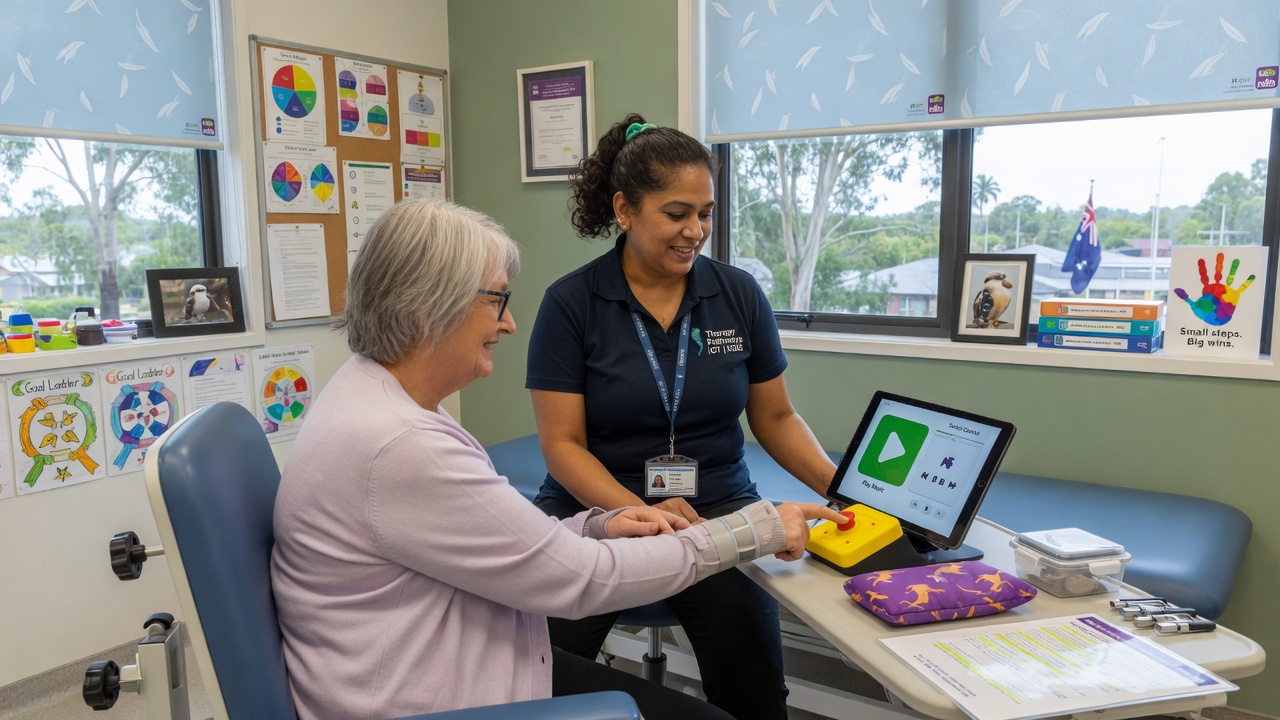
Short answer: yes, the NDIS can pay for occupational therapy. But — and this is where it gets a bit fiddly — it depends on what your plan looks like and why you need the OT in the first place. Let's walk through what's covered, what's not, and how to make sure OT funding actually shows up in your plan.
How occupational therapy fits into NDIS plans
OT under the NDIS isn't just about recovery from an injury — that's more of a Medicare thing. NDIS-funded OT is about building your capacity to do everyday stuff more independently. Think: learning to use assistive technology, adapting your home so you can move around safely, developing strategies for sensory or cognitive challenges, or getting your workplace set up properly.
Most OT funding sits in your Capacity Building budget, under the "Improved Daily Living" category. This is where allied health stuff lives — physio, speech pathology, psychology, and yes, occupational therapy. If you've got a plan-managed or self-managed plan, you'll see line items like 15_056_0128_1_3 (that's the OT assessment and therapy line, in case you're hunting through the NDIS support categories).
Sometimes OT also crosses into Capital Supports — like when your OT recommends home modifications or assistive technology. And in some cases it can touch Core Supports, if the OT is doing something that directly helps with daily activities. Honestly, the boundaries aren't always obvious. The key is making sure your OT report links what they're recommending to your specific NDIS goals.
What OT services the NDIS typically funds
Here's what you can generally expect the NDIS to cover, assuming the OT work is tied to your disability-related goals:
- Functional assessments — the big-picture evaluation of what you can and can't do day-to-day. This is often the first thing an OT does, and it's the foundation for pretty much everything else.
- Therapy sessions — ongoing OT appointments focused on building specific skills, like using your hands more effectively, managing sensory overload, or planning your daily routine.
- Assistive technology trials and recommendations — your OT can help you figure out what equipment actually works for you, write the report the NDIS needs, and train you on using it.
- Home modification assessments — if your OT identifies that you need grab rails, ramps, or bathroom changes, they'll do a formal assessment that feeds into the home modifications process.
- Housing and living support reports — for things like Supported Independent Living (SIL) or Individualised Living Options (ILO), an OT report is often the make-or-break document.
💡 Key point: The NDIS won't just take your word for it that you need OT. You'll need a supporting report from a relevant health professional — usually the OT themselves, but sometimes your GP or specialist can kick things off. The more clearly the report links OT to your NDIS goals, the smoother it goes.
What the NDIS generally doesn't cover
No surprises here, but worth spelling out. The NDIS won't fund OT that:
- Is purely clinical or medical rehab — like recovering mobility after a knee replacement. That's Medicare or private health insurance territory.
- Belongs to the education system — if your child needs OT to participate at school, the education department is supposed to cover that, not the NDIS. This trips up a lot of families, and the line can get blurry.
- Isn't related to your disability goals — if your plan has four goals about community access and nothing about fine motor skills, an OT referral for handwriting might raise eyebrows at review time.
- Duplicates what another service already provides — the NDIS won't pay twice for the same outcome.
How to get OT included in your plan
If you're heading into a planning meeting or review and you want OT funding, here's what makes the difference:
- Get a supporting letter or report first. An OT can do a pre-planning assessment and write a brief report explaining what they'd work on, how often, and why it connects to your goals. You don't need a 20-page document — even a one-page letter from a treating OT carries weight.
- Name it in your goals. If one of your plan goals is something like "I want to be able to prepare meals independently," and your OT report says therapy will help you achieve that, you've connected the dots. Planners and delegates love dots that are already connected.
- Be specific about frequency. Saying "I need OT" is vague. Saying "I need fortnightly OT sessions for 12 months to build upper limb function for independent dressing" is a lot harder to say no to.
- If you're already plan-managed, use what you have. If your Capacity Building budget has some flexibility, you might be able to start OT with your existing funding and gather evidence for your next review. Chat with your plan manager — they can tell you what's in your plan budgets right now.
One last thing — OT hourly rates under the NDIS are set by the NDIS Pricing Arrangements, which update every year. Your OT provider should quote against those rates, and if you're plan-managed, your plan manager checks invoices against them automatically. No worries there.