Does the NDIS Cover Speech Therapy? What Families Should Know
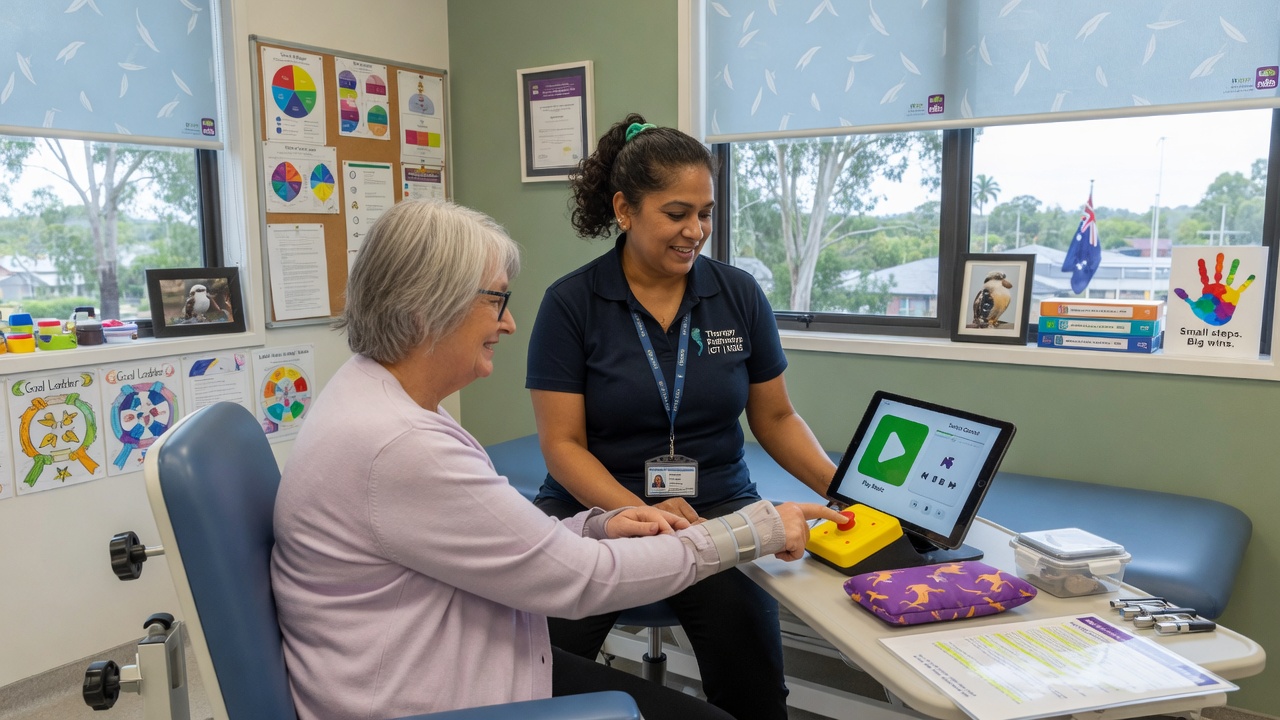
Short answer: yes, the NDIS covers speech therapy — but only when it's tied to your disability and your plan goals. If you've found yourself Googling "does the NDIS cover speech therapy" at 11pm, you're not alone. It's one of the most searched allied health questions out there, and the answer has a few moving parts. Let's walk through who it's for, what actually gets funded, and what you'll need to get it into your plan.
How speech therapy fits into your NDIS plan
Speech therapy (officially "speech pathology") sits in your Capacity Building budget, under the "Improved Daily Living" category. That's the same bucket as occupational therapy, physio, and psychology. If you're plan-managed or self-managed, you'll see a line item for it in your plan — and your plan manager can tell you exactly what's sitting in there right now.
Here's the thing worth knowing: the NDIS funds speech therapy to build your capacity — your ability to communicate, eat safely, and join in — not for a quick fix that another system should be covering. That distinction trips a lot of people up, so it's worth keeping in mind from the start.
Does the NDIS cover speech therapy? Here's what it funds
Most people think speech therapy is just "learning to talk," but it's a fair bit broader than that. A speech pathologist can help with:
- Speech sounds and clarity — helping you be understood by family, teachers, and colleagues
- Language — understanding what others say, and putting your own thoughts into words
- Fluency — support for stuttering
- Social communication — the back-and-forth of conversation, reading cues, and connecting with people
- Swallowing and mealtimes — a big one. If you or your child have difficulty eating or drinking safely, a speech pathologist is usually the person who assesses and supports it
- AAC (augmentative and alternative communication) — communication boards, apps, and speech-generating devices for people who don't communicate verbally
It's not just for kids
A lot of the search traffic around speech therapy comes from parents, and fair enough — early intervention makes a huge difference for little ones. If your child is under seven, the NDIS early childhood approach is usually the entry point, and a speech pathologist is often the first professional families see.
But adults access speech therapy all the time too. After a stroke or acquired brain injury, people often need help rebuilding communication or relearning to swallow. Same goes for conditions like cerebral palsy, Parkinson's, or motor neurone disease. The funding logic is identical: it has to connect to a disability and a goal.
💡 Key point: The NDIS won't just take your word for it that you need speech therapy. You'll need a report from a speech pathologist (or sometimes a GP or specialist to get started) that links the therapy to your NDIS goals. The clearer that link, the smoother the approval.
What evidence you'll need
Honestly, the NDIS website makes "reasonable and necessary" sound like a riddle. In practice, getting speech therapy funded comes down to one thing: a clear report that connects the dots. Here's what helps:
- A speech pathology assessment that describes what's hard right now and what therapy would work on.
- A link to your goals. If your plan goal is "I want to communicate my needs at school" or "I want to eat and drink safely," and the report says therapy will get you there, you've done the hard part. Check out our goal setting guide for how to word this well.
- Specifics. "Fortnightly sessions for 12 months" beats "ongoing support" every time. Vague requests get vague answers.
Speech therapy rates are set by the NDIS Pricing Arrangements and update every year, so your provider should quote against those. Speech pathology is also part of the broader allied health picture — same rules, same evidence requirements. And if you're plan-managed, your plan manager checks every invoice against the official rates automatically. Want to understand how that works? Here's what plan management actually does.