NDIS Transport Funding: What's Covered and How to Use It
On this page
NDIS Transport Funding Explained: What It Is and Where It Fits in Your Plan
Transport is one of the most misunderstood parts of the NDIS. We talk to participants every week who didn't even realise they had transport funding sitting in their plan — or who thought it only covered taxis to medical appointments. It's broader than that, and honestly, it's one of the more useful (and underused) parts of your Core budget.
Your transport funding sits inside Core Supports, which means it's flexible — you can shift money between Core categories as your needs change. It's not a separate locked allocation. For a complete overview of how all three budgets work together, see our NDIS plan budgets guide.
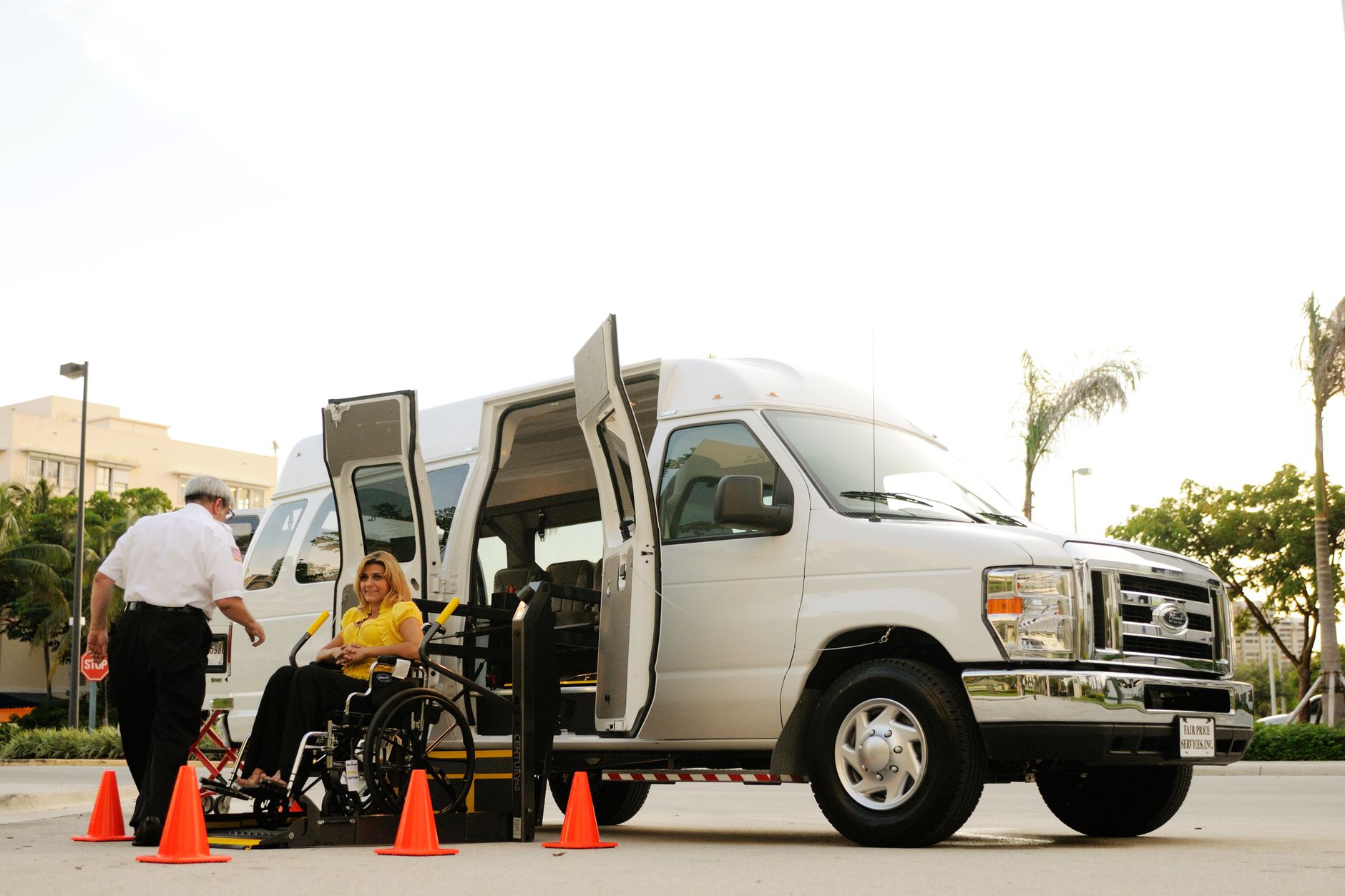
NDIS Transport Funding Levels: Low, Medium, and High Support Needs Compared
The NDIS provides transport funding at three levels, based on how much your disability limits your ability to use public transport:
Level 1: Low support needs
Up to $1,606 per year. For participants who can use public transport but need occasional support — for example, someone who can catch the bus but needs a taxi when their condition flares up. This is common for participants with episodic or fluctuating disabilities.
Level 2: Medium support needs
Up to $2,472 per year. For participants who are working or studying at least 15 hours per week, or who are actively looking for work. The higher amount recognises that regular attendance at work or education creates predictable transport needs that can't reasonably be met by informal supports.
Level 3: High support needs
Up to $3,456 per year. For participants who cannot access public transport at all due to their disability, and who are working, studying, or attending day programs at least 15 hours per week. This is the highest transport funding tier.
📌 Note: These amounts are for general transport only. If you need a modified vehicle or specialised transport equipment (like a wheelchair-accessible vehicle), that falls under Capital Supports — a separate budget with a separate approval process.
What NDIS Transport Funding Covers: Eligible Costs and What's Not Included
Transport funding CAN be used for:
- Taxis and rideshare (Uber, etc.) to get to work, study, appointments, or community activities.
- Public transport fares (bus, train, ferry, light rail).
- Fuel and parking costs if you use your own vehicle (or a family member's vehicle) for disability-related travel.
- Community transport services.
- Travel training — learning to use public transport safely and independently.
Transport funding CANNOT be used for:
- General errands and shopping (these are day-to-day living costs, not disability-related).
- Holiday travel (the holiday itself is a living cost, though support worker costs during a holiday may be covered — see our guide on reasonable and necessary supports).
- Paying a family member to drive you (family are considered informal supports).
- Buying a vehicle (that's Capital Supports, requiring separate approval).
- Travel that would happen anyway without a disability (commuting to work in a job you could do without your disability).
How to Claim NDIS Transport Funding: Plan-Managed, Self-Managed, and Agency-Managed Methods
How you claim depends on your plan management type:
- Plan-managed: Keep receipts for your transport expenses (taxi receipts, rideshare trip records, public transport top-up receipts). Submit them to your plan manager, who claims them against the transport line item in your Core budget. Many plan managers provide a simple form or app for this.
- Self-managed: Pay for transport yourself and claim reimbursement through the myplace portal. Keep every receipt — the NDIA may audit.
- Agency-managed: Transport funding for agency-managed participants is typically paid as a fortnightly allowance directly into your bank account, rather than per-trip. You don't need to submit individual receipts. The amount is calculated based on your transport level and paid automatically.
NDIS Transport Funding vs Support Worker Travel Costs: What's the Difference?
This is a common confusion. There are two different transport-related costs in the NDIS:
- Participant transport (the topic of this article): Your own travel costs — getting yourself to work, appointments, activities. Funded from your Core budget, at one of three levels.
- Provider travel: The cost of a support worker travelling to you, or travelling with you. This is a separate allowance that providers can claim — up to 30 minutes of travel time per shift in metropolitan areas, and up to 60 minutes in regional/remote areas. Provider travel is paid from the same budget as the support worker's service (Assistance with Daily Life), not from your transport allowance.
Practical Tips for Using NDIS Transport Funding: 5 Ways to Maximise Your Allowance
- Plan your transport level at your planning meeting. Tell the planner specifically why you need transport funding and at what level. "I work 20 hours a week and can't use public transport because of my mobility impairment — I need Level 2 transport funding" is a clear, specific ask. Read our NDIS planning meeting guide for more advocacy strategies.
- Keep receipts. Even if you're agency-managed and receive automatic payments, keep a log of your transport use. If your needs change, the log is evidence for requesting a higher level at your next plan review.
- Use rideshare apps with business profiles. Uber and similar apps let you create a business profile, which automatically emails receipts. This makes claiming with your plan manager much easier.
- Don't double-dip. If a support worker drives you to an appointment in their car, the provider can claim travel time — but you can't also claim the trip from your transport allowance. One trip, one claim.
- Check if you're eligible for a travel subsidy. Some states offer disability travel subsidies (e.g., the Taxi Transport Subsidy Scheme in NSW) that are separate from the NDIS. You can use these alongside your NDIS transport funding — they're complementary, not alternatives.