Supported Independent Living (SIL) Under the NDIS Explained
In this article
What Is NDIS Supported Independent Living (SIL)?
Supported Independent Living (SIL) is NDIS funding for paid support workers to help you in your home — usually in a shared living arrangement. SIL covers the cost of having someone there to help with personal care, meal preparation, medication, household tasks, and building your independent living skills. Here's the key thing people get wrong: SIL is not the roof over your head. It's the support that comes through the door.
SIL is typically provided in group homes or shared accommodation where 2–7 people with disability live together and share support staff. But it can also work in individual living arrangements if your support needs are high enough.
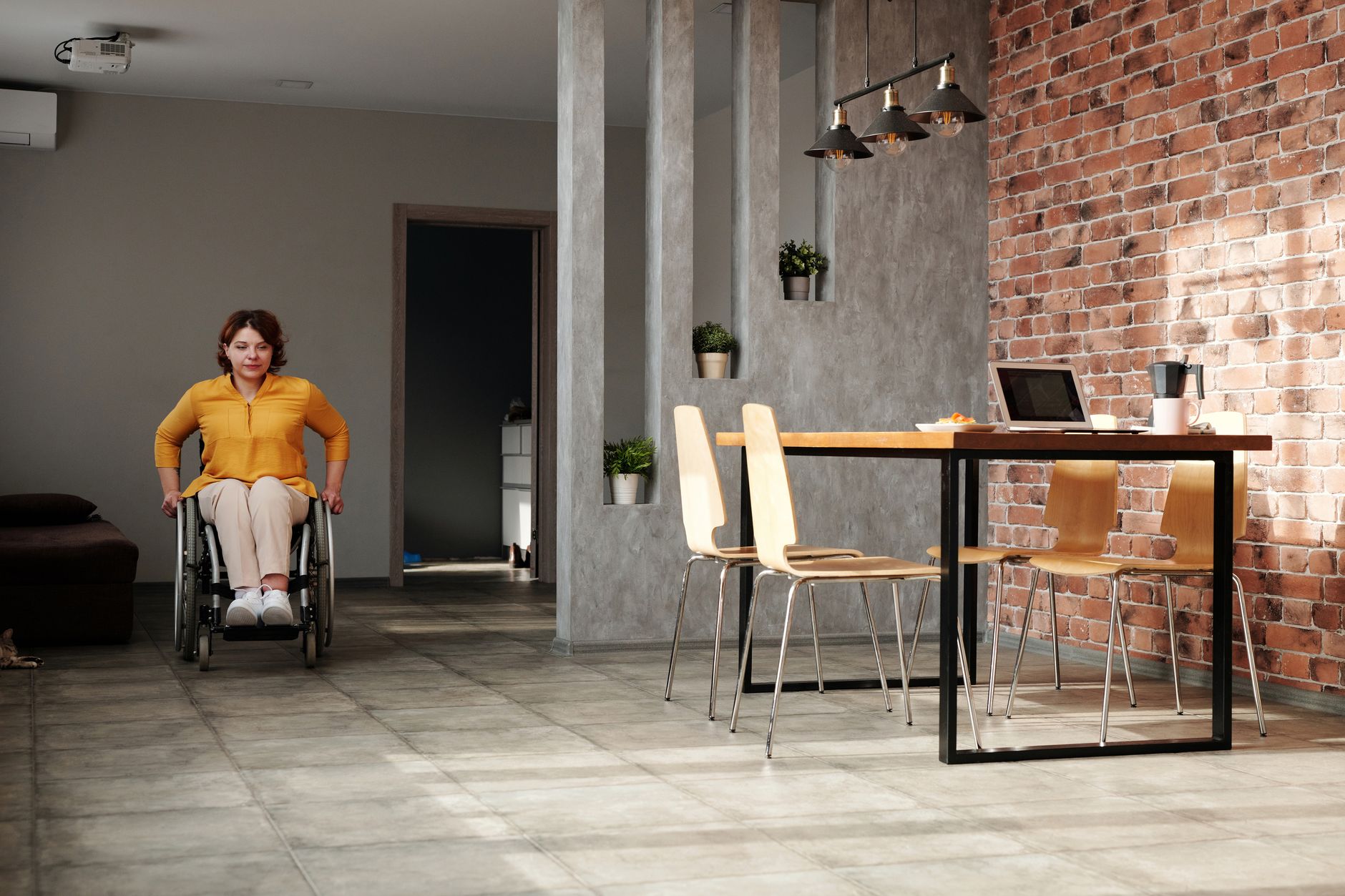
SIL vs SDA — what's the difference?
This is one of the most common points of confusion in the NDIS:
- SIL (Supported Independent Living) — Funds the people who support you. The support workers who help with daily tasks, personal care, and skill-building. This comes from your Core Supports budget.
- SDA (Specialist Disability Accommodation) — Funds the building. The physical house or apartment that's been designed or modified for people with significant functional impairment or very high support needs. This comes from a separate SDA budget.
Many people receive SIL without SDA — they live in standard rental accommodation and SIL workers come to them. Others need both: SDA (the specialist housing) plus SIL (the in-home support). The two are separate funding streams with separate eligibility criteria.
🏠 Simple way to remember it: SDA = the bricks and mortar. SIL = the person who helps you cook dinner, shower, and take your medication. You can have SIL without SDA. You can have SDA without SIL (though it's less common).
NDIS SIL Eligibility: Who Qualifies for Supported Independent Living?
SIL is for people with disability who need significant support at home — typically 24/7 or near-24/7 support. It's designed for people who can't live independently without regular assistance. The NDIA considers:
- Your level of functional impairment and support needs across a typical day
- Whether your needs require rostered care from multiple workers (not just occasional drop-in support)
- Whether SIL is a cost-effective alternative to other supports (like living with family with extensive informal support, or residential aged care)
- Your goals around independent living and community participation
SIL is not for everyone with an NDIS plan. If you only need a few hours of support per day (e.g., morning personal care plus help with evening meals), you'd typically access that through your Core Supports budget as regular daily living support, not SIL.
How SIL funding works
SIL funding is based on a shared support model. Because multiple residents share support workers, the cost per person is lower than if each person had their own dedicated staff. Your SIL funding quote is calculated based on:
- Your individual support needs (as assessed by an OT and detailed in a SIL assessment)
- The level of support required at different times of the day (morning, daytime, evening, overnight)
- Whether your home has other residents sharing the same support workers
- The complexity of your support requirements
SIL is funded on a weekly basis and appears in your NDIS plan as a set dollar amount. Your SIL provider claims against this weekly amount. Your plan manager processes these claims and tracks your SIL budget.
The SIL roster of care
A key document in SIL is the Roster of Care. This is a weekly schedule that shows exactly when support workers will be present and what they'll be doing. It breaks down:
- Active hours — Times when workers are actively supporting you (personal care, meals, community access)
- Sleepover hours — Overnight shifts where a worker sleeps at the house and is available if needed
- Active night hours — Overnight shifts where a worker is awake and actively monitoring (for complex medical needs)
The Roster of Care is agreed between you, the SIL provider, and the NDIA during the quoting process. It ensures everyone is clear on what level of support is being funded and delivered.
SIL can sound complicated, but at its core it's simple: funding for workers to help you live as independently as possible in your own home. If you're exploring SIL for the first time, talk to your support coordinator and plan manager — they can help you understand whether it's the right fit and walk you through the process. For related housing supports, see our guides on NDIS Short-Term Accommodation and NDIS home modifications.